On this page
Imitation materials have become very convincing. These checks take a minute and work on bags, wallets and belts alike. No single test is perfect, so use a few together.
1. Look closely at the grain
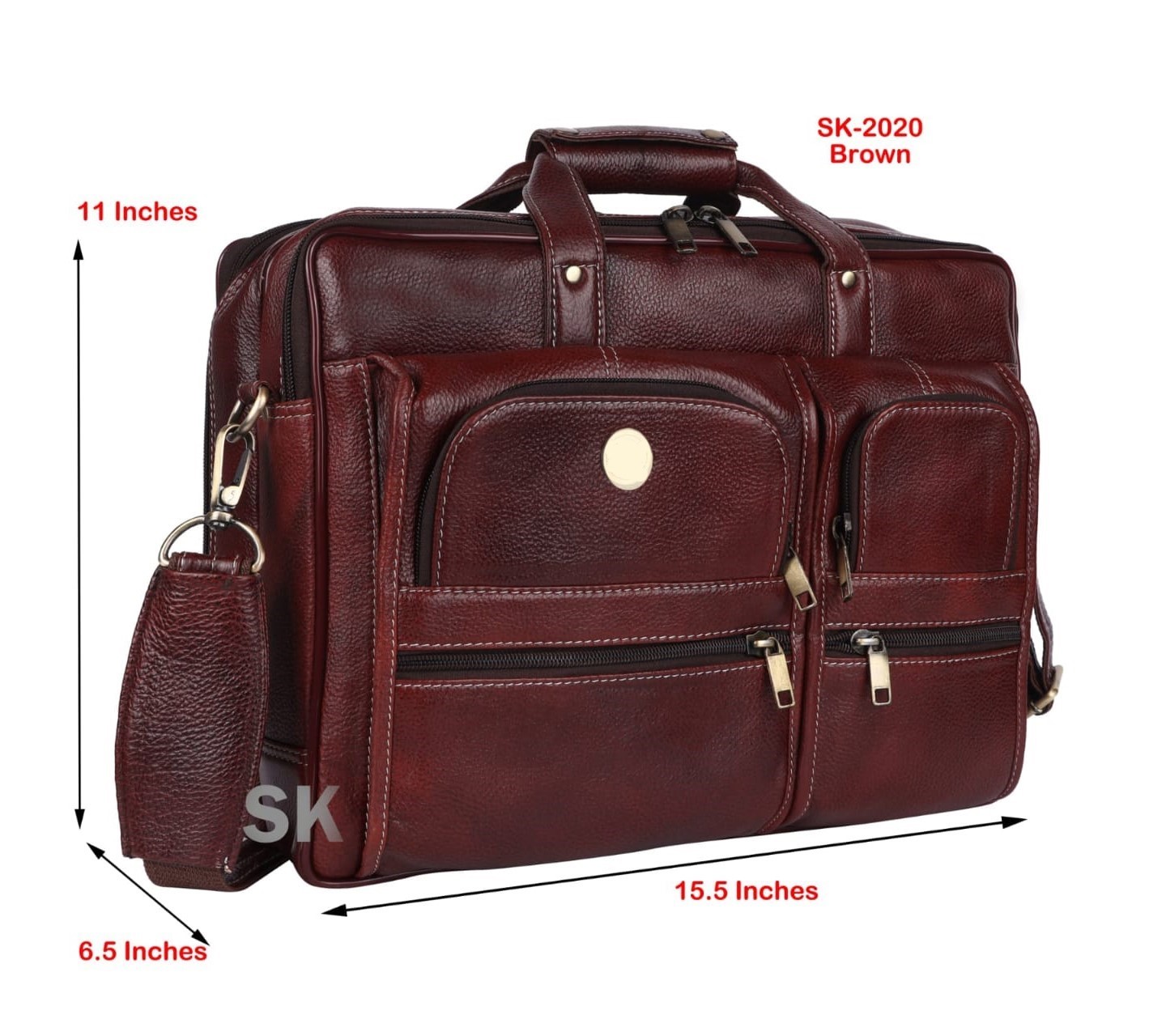
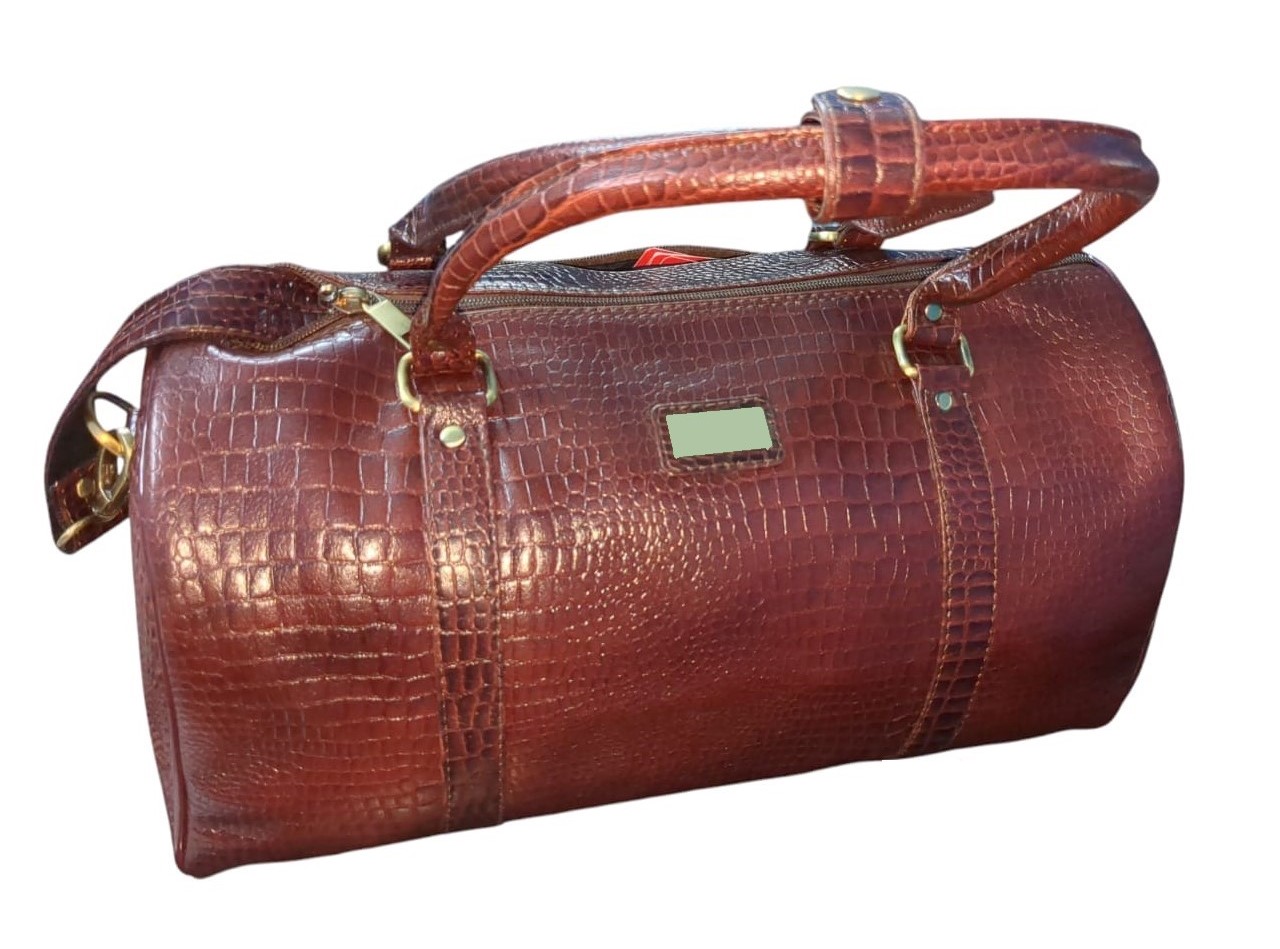
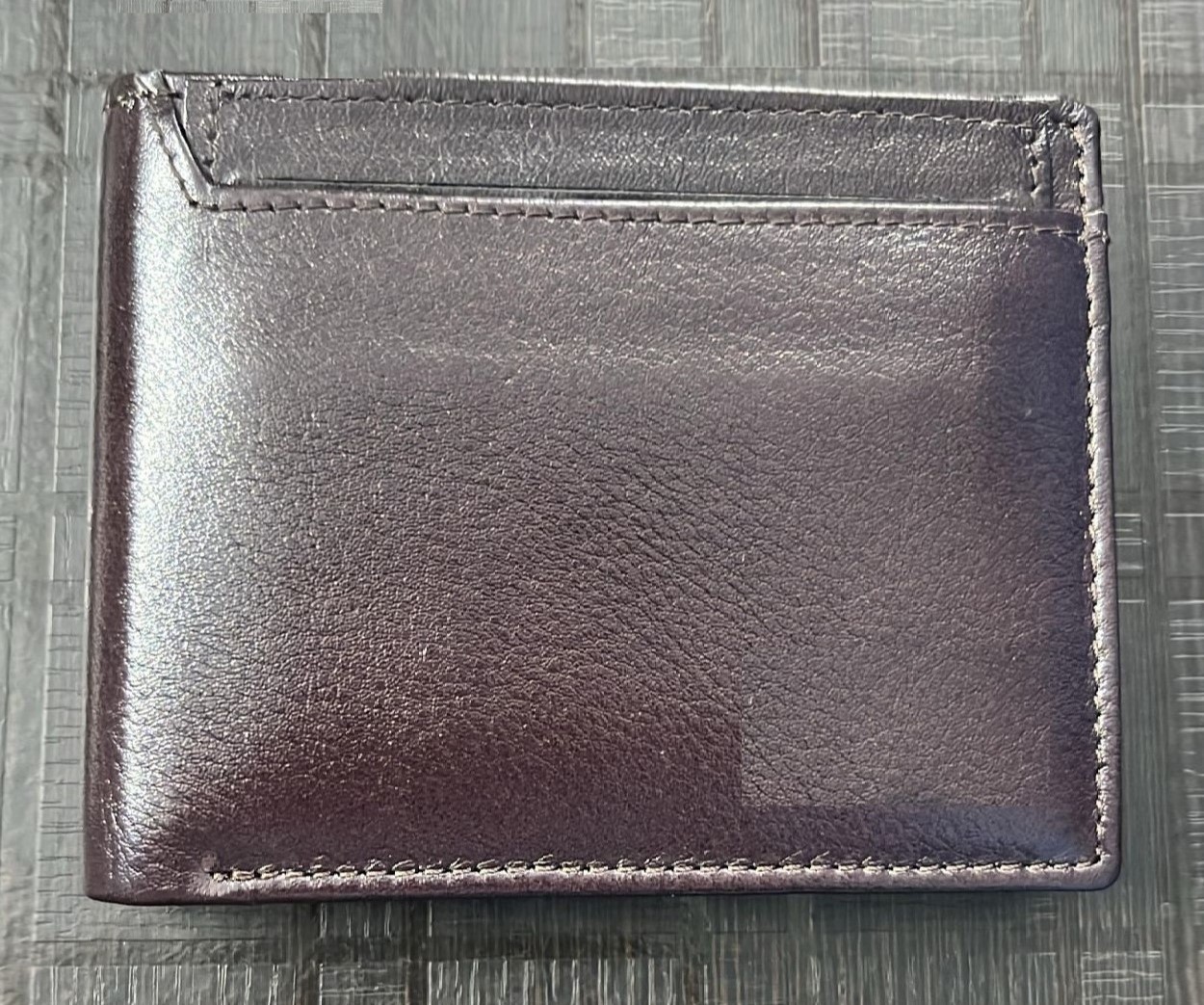
Real leather has irregular pores and fine creases that vary across the surface. A printed pattern that repeats perfectly is a sign of synthetic material.
2. Smell it
Genuine leather has a warm, natural, slightly earthy smell. PU and rexine usually smell of plastic or chemicals.
3. Check the edges
Cut edges of real leather look fibrous and layered (unless painted). Synthetic material shows a uniform plastic layer, often with a fabric backing.
4. Press and feel
Press a fingertip into the surface: real leather wrinkles and gathers softly, then recovers. It also warms to your touch. Synthetics feel cool and either resist or dent unnaturally.
5. The water drop test
On an inconspicuous spot, a small drop of water on uncoated leather slowly darkens it as it absorbs. On PU it beads and rolls off. Note that heavily finished or waxed leather may also resist water, so combine this with the other tests.
6. Look at the back
The underside of real leather is suede-like and fibrous. A woven or knitted fabric backing usually means a synthetic or bonded material.
Buying in bulk?
Ask for a sample order before placing a wholesale order. Running these tests on the samples gives you and your customers confidence in what you are selling.
Wholesale MOQ 100 pcs · samples from 10 pcs · private label on request.